

Possibilities, Liabilities, and Concerns: Confessions of an AI Skeptic
Dr. Claude Hemphill, Professor of Neurology and Neurological Surgery at the University of California, San Francisco and Chief of Neurology and Director of Neurocritical Care at Zuckerberg San Francisco General Hospital, shares his perspectives on the implementation of AI in neurocritical care beyond experts and researchers.
Automated Artifact Detection for ABP Data From Heuristics to Deep Neural Networks
Tony Okeke explores innovative approaches to identifying artifacts in arterial blood pressure (ABP) data using a variety of machine learning techniques.
NCC Big Data Analysis: Is Unsupervised Clustering a Solution?
Jeanette Tas provides an overview of how unsupervised clustering, which uncovers new data patterns, has been applied to the field of neurocritical care.
A Data-Driven Disease Course of TBI: Mining Prognostic Trajectories from ICU Data
Shubhayu speaks on integrating heterogeneous medical record data to model how clinical course influences 6-month GOSE outcomes. Using a prospective TBI cohort, he trains recurrent neural networks to predict ordinal GOSE scores every 2 hours from a token-embedded time series, incorporating missing values. His approach converts large patient records into interpretable time series with minimal processing.
Data Exploration through Multimodal Animation
Dr. Ramon Diaz-Arrastia speaks on his experience as a leader in TBI research and how analytics and big data can advance his work into the future.
Structuring Unstructured Data
Professor Ed Kim from Drexel University’s College of Computing and Informatics brings us up to speed on the background to modern AI, machine learning, and deep learning methods.
The Groundwork for Multimodal Machine Learning
Professor Ed Kim from Drexel University’s College of Computing and Informatics brings us up to speed on the background to modern AI, machine learning, and deep learning methods.
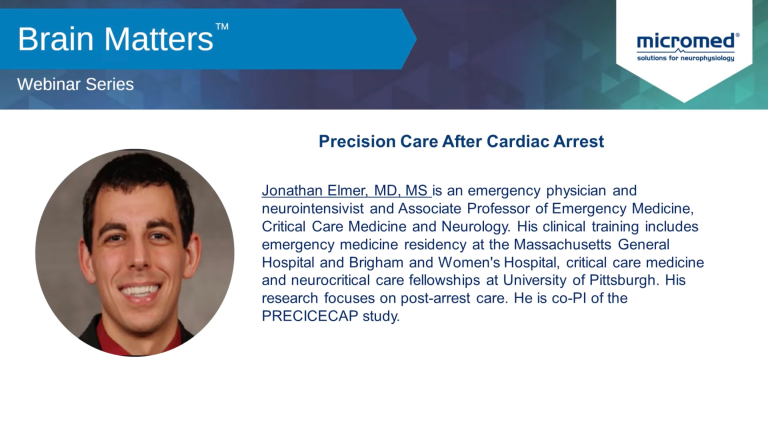
Precision Care After Cardiac Arrest
Jonathan Elmer discusses limitations in current neuro-prognostication tools, post-arrest prognostication and precision medicine, and high resolution multimodal data for precision care after cardiac arrest – the PRECICECAP study.
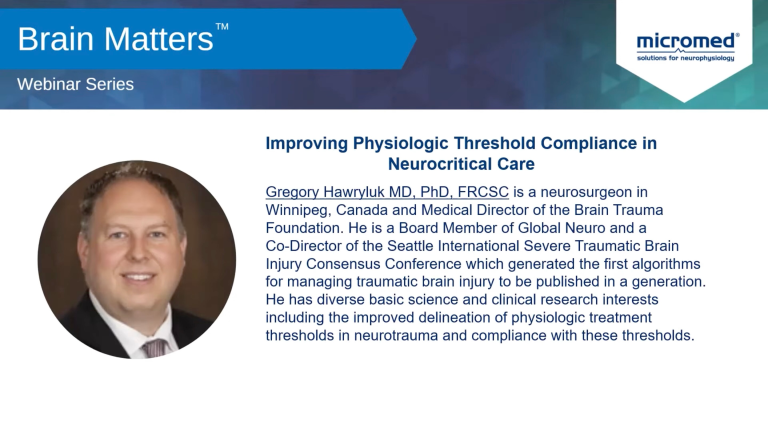
Improving Physiologic Threshold Compliance in Neurocritical Care
Gregory Hawryluk discusses concerns with poor threshold compliance in neurocritical care, the rationale for improving physiologic threshold compliance, and appreciation of a tool developed to improve physiologic threshold compliance and evidence supporting its effectiveness.
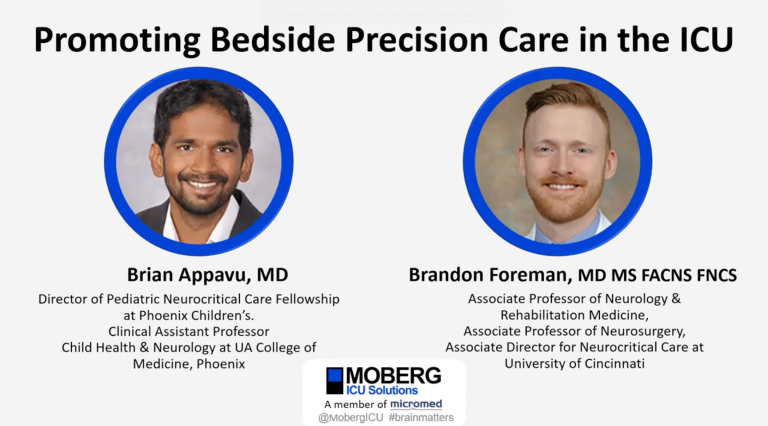
Promoting Bedside Precision Care in the ICU
Brian Appavu and Brandon Foreman explore recent work describing the interpretation and reporting of MMM (Multimodal Monitoring) data in the pediatric ICU and its impact on care, the value of interpreting and reporting MMM data to clinical teams, the practical aspects of reporting MMM data in clinical practice, and future directions to enhance the utility of MMM to improve patient care.
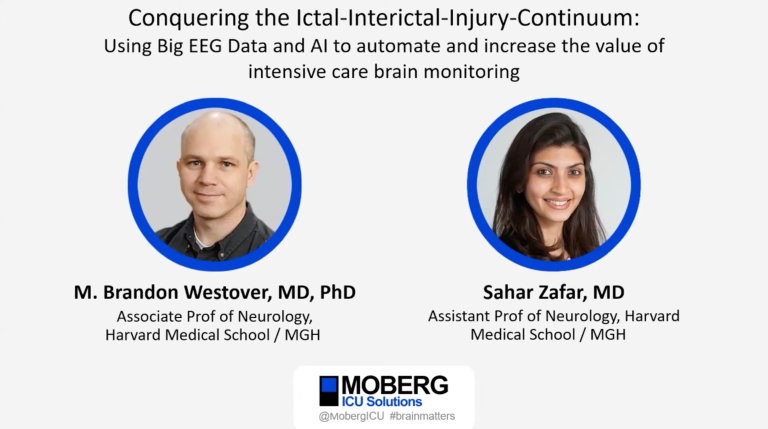
Conquering the Ictal-Interictal-Injury-Continuum: Using Big EEG Data and AI to automate and increase the value of intensive care brain monitoring
Brandon Westover and Sahar Zafar discuss using Ictal-Interictal Continuum Abnormality (IICA) burden to predict patient outcome, automating detection of seizure and IICA, and areas of the model needing improvement.
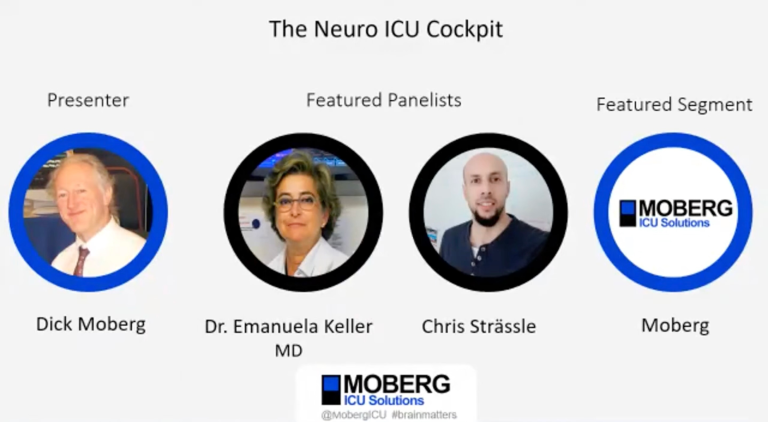
The Neuro ICU Cockpit
This month’s webinar takes you to Zurich, Switzerland where you will hear about the Neuro ICU Cockpit developed by Dr. Emanuela Keller together with ETH Zurich and IBM Research Zurich. Their ICU Cockpit is a great example of how to use comprehensive data for predicting status and optimizing patient management.
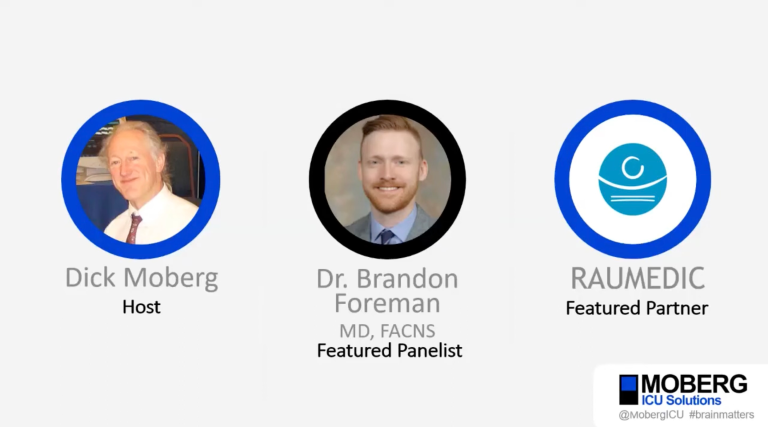
Interpreting and Reporting Multimodal Neuromonitoring Data: A Medical Record for the Brain
Dr. Brandon Foreman, MD, FACNS demonstrates how he records multimodal data and uses this new “medical record for the brain” in the management of his patients.
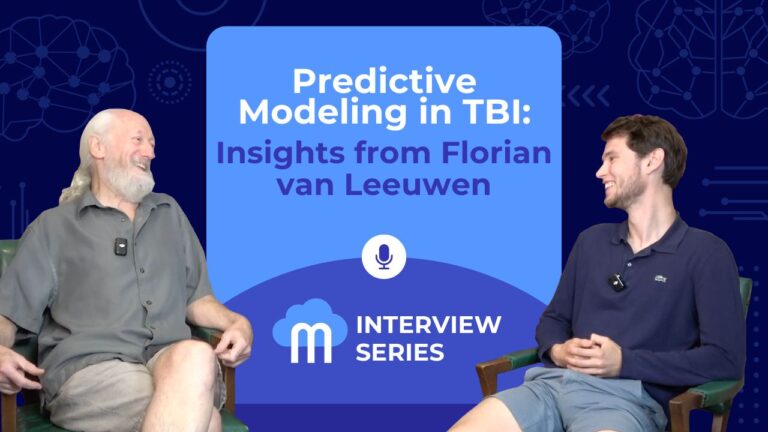
Predictive Modeling in TBI: Insights from Florian van Leeuwen
Florian is a PhD Candidate in Statistics at Utrecht University, focusing on prediction models for complex datasets and applying these models to cases of brain injury. In this interview, he sits down with Dick to discuss what he believes should be the future of neuroscience with specific regards to brain injury and neurocritical care. The two speak on how prediction models can assist clinicians in making difficult decisions regarding individual TBI patients, and how we can make models output more reliable, precise predictions from complex multimodal data sources.
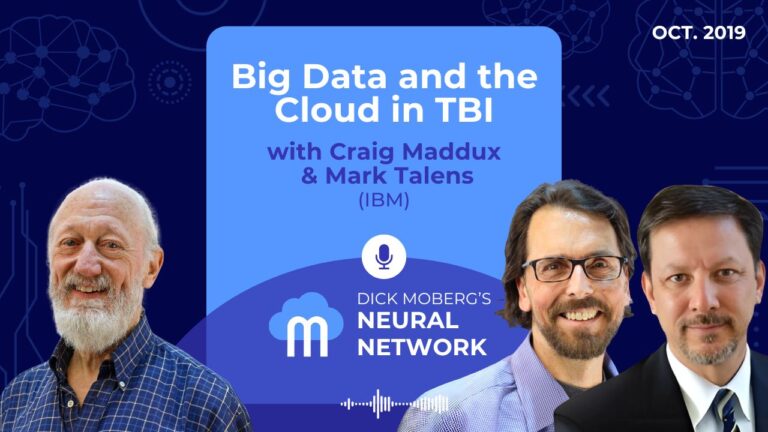
Big Data and the Cloud in TBI with Craig Maddux & Mark Talens
Craig Maddux, healthcare analytics and technical specialist at IBM, and Mark Talens, technical executive for data and AI in healthcare, discuss the roles of big data, the cloud, and AI in the care of patients with traumatic brain injury.
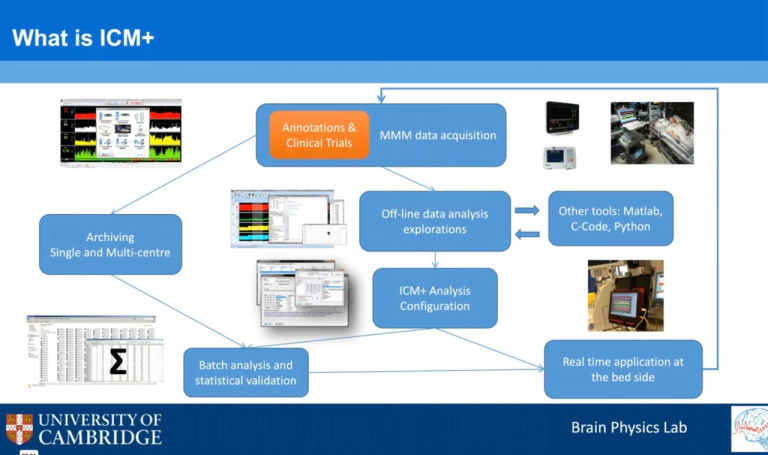
Lecture 27: ICM+ - Software for Brain Monitoring
Dr Peter Smielewski talks about the past and present of ICM+, the multimodal, high resolution, data collection, integration and analysis clinical research tool, highlighting some of its more important features and common uses.
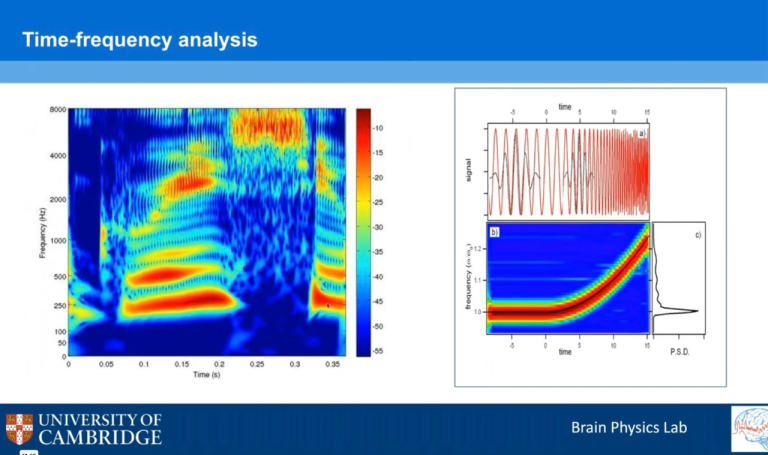
Lecture 28: Overview of Techniques for Brain Signal Analysis
Dr Peter Smielewski (Department of Clinical Neurosciences, University of Cambridge) talks about a spectrum of analytical approaches to extracting clinically valuable information from waveforms captured in a neuro-ICU from bed-side monitors.